
How Chiropractic Care Improves Biomechanics, Range of Motion, and Performance in Horses
Performance horses depend on efficient movement to do their jobs well. Whether running barrels, competing in rodeo events, or training at a high level, a horse’s speed, power, and consistency are directly influenced by how freely and correctly their body moves. Chiropractic care plays an important role in supporting this movement by improving biomechanics and joint range of motion throughout the spine and limbs.
Understanding Equine Biomechanics
Biomechanics refers to how the horse’s body moves as a system. Every stride requires coordinated motion between the spine, pelvis, shoulders, hips, and limbs. Ideally, joints move through their full, natural range of motion, muscles fire in proper sequence, and forces are evenly distributed through the body.
When this happens:
Strides are longer and smoother
Power transfers efficiently from the hindquarters through the back
Less energy is wasted compensating for stiffness or imbalance
When it doesn’t, performance often suffers.
How Joint Restrictions Affect Movement
Repetitive training, hauling, competition stress, minor slips, or asymmetrical movement can cause spinal or joint restrictions. These restrictions reduce normal motion between vertebrae or joints and disrupt how forces move through the body.
From a biomechanical standpoint, restricted joints can:
Shorten stride length
Reduce spinal flexion and extension
Limit shoulder or hip range of motion
Cause uneven loading of limbs
Increase muscular tension and fatigue
To keep moving forward, the horse compensates. While compensation allows continued performance, it often comes at the cost of efficiency, speed, and long-term soundness.
How Chiropractic Adjustments Improve Range of Motion
Chiropractic adjustments are designed to restore normal joint motion, particularly within the spine and pelvis. Research in both human and animal biomechanics shows that improving joint mobility enhances proprioceptive input (the body’s awareness of movement and position) and allows muscles to function more efficiently.
When spinal motion is restored:
Joints can move through their intended range
Muscles can contract and relax in proper timing
Movement patterns become more symmetrical
This creates a more fluid and coordinated stride.
The Connection Between Range of Motion and Stride Length
Stride length is a major factor in speed. Horses that cannot fully flex, extend, or rotate through the spine and joints often take shorter, choppier strides. This requires more steps to cover the same distance, increasing energy use and limiting top speed.
By improving range of motion through chiropractic care:
The spine can flex and extend more effectively
Shoulders gain freedom for forward reach
The pelvis and hips allow stronger hind-end engagement
These changes often result in longer, more powerful strides without the horse needing to “try harder.”
Why Efficient Movement Leads to Greater Speed
Speed isn’t just about strength—it’s about efficiency. Horses that move freely waste less energy fighting stiffness or compensating for restriction. Improved biomechanics allow power generated by the hindquarters to transfer smoothly through the back and into forward motion.
For performance horses, this can mean:
Faster acceleration
More consistent speed through turns or patterns
Better stamina over multiple runs or events
Reduced physical strain during competition
Rather than forcing speed, chiropractic care helps remove the barriers that limit it.
Long-Term Benefits for Performance and Soundness
Over time, improved biomechanics reduce abnormal stress on joints, muscles, and soft tissues. This not only supports performance but also contributes to longevity and comfort.
Regular chiropractic care can help:
Reduce wear from repetitive movements
Minimize compensatory strain
Support recovery between training and competition
Maintain optimal movement patterns
For horses asked to perform at a high level, this maintenance approach can make a meaningful difference.
Chiropractic care supports performance horses by improving biomechanics and restoring healthy range of motion throughout the body. When joints move freely and efficiently, strides become longer, movement becomes smoother, and speed becomes easier to achieve. Instead of working against restriction, the horse can use its body the way it was designed to move—powerfully, efficiently, and comfortably.
For many performance horses, regular chiropractic care is not about fixing problems after they appear, but about supporting optimal movement so those problems are less likely to develop in the first place.
The Benefits of Chiropractic Care for Performance Horses
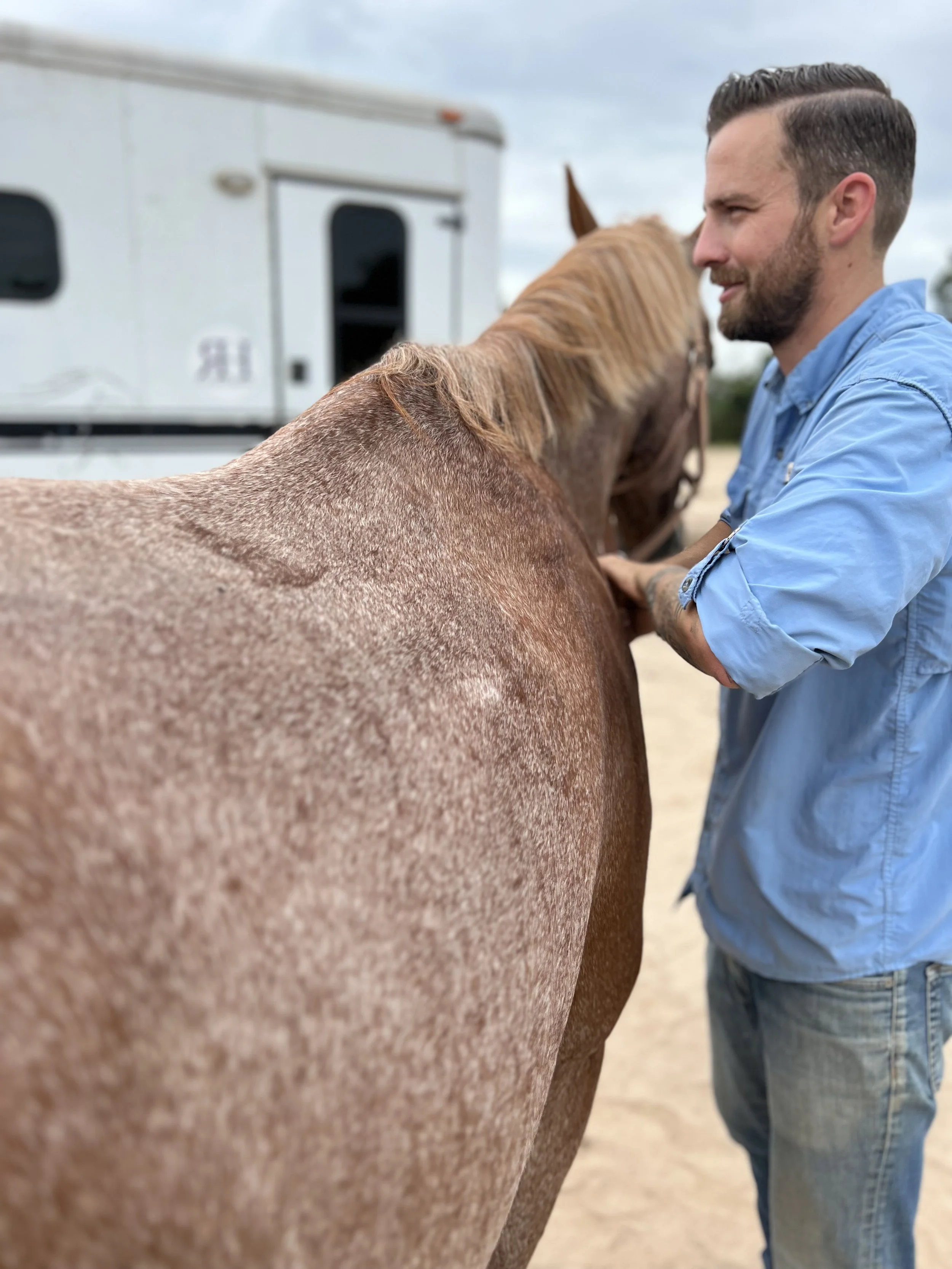
The Benefits of Chiropractic Care for Performance Horses
Performance horses place extraordinary demands on their bodies. Whether competing in dressage, jumping, racing, reining, eventing, or other disciplines, these athletes rely on precise coordination between the nervous system, joints, muscles, and connective tissues. Chiropractic care is one supportive therapy that aims to optimize this coordination by restoring normal motion to restricted joints—particularly along the spine.
When performed by a qualified equine chiropractor, chiropractic care can play a valuable role in supporting comfort, performance, and long-term soundness.
1. Improved Joint Mobility and Range of Motion
Restricted joint motion (often called joint dysfunction or restriction) can occur due to repetitive loading, trauma, asymmetrical movement, or compensation for pain elsewhere in the body.
Chiropractic care helps by:
Restoring normal motion to affected joints
Reducing stiffness in the spine, neck, and pelvis
Allowing joints to move through their intended range
Why this matters for performance:
Improved joint mobility allows the horse to move more freely, achieve better extension and flexion, and perform athletic movements with less physical resistance.
2. Enhanced Nervous System Function
The spine houses and protects the spinal cord, which carries signals between the brain and the rest of the body. Restricted spinal motion can alter how effectively these signals are transmitted.
Evidence-based principles show that:
Joint dysfunction can affect sensory input to the nervous system
Altered nerve signaling may change muscle tone, coordination, and reflexes
Restoring motion improves proprioceptive feedback (body awareness)
For performance horses:
Improved neurological communication supports better coordination, balance, timing, and responsiveness to rider cues.
3. Improved Muscle Function and Reduced Tension
When joints are restricted, surrounding muscles often become tight or overactive in an attempt to stabilize the area. Over time, this can lead to chronic muscle tension, fatigue, and soreness.
Chiropractic adjustments can:
Reduce protective muscle guarding
Normalize muscle tone
Improve symmetry in muscle activation
Result:
Muscles are able to contract and relax more efficiently, improving strength, endurance, and fluidity of movement.
4. Improved Gait Quality and Movement Symmetry
Subtle asymmetries are common in performance horses and may not always rise to the level of overt lameness. However, even small imbalances can reduce efficiency and increase injury risk.
Following chiropractic care, many horses show:
Smoother, more consistent strides
Improved straightness
Better coordination between front and hind limbs
Reduced interference or stumbling
Why this matters:
Efficient, symmetrical movement allows horses to perform demanding tasks with less physical strain.
5. Enhanced Performance and Athletic Efficiency
When joints move properly and muscles function optimally, the horse expends less energy compensating for restrictions.
Benefits include:
Improved impulsion and engagement
Greater ease with collection or extension
Increased stamina during training or competition
More consistent performance over time
Rather than forcing movement through restriction, chiropractic care supports the body’s natural biomechanics.
6. Reduced Risk of Compensatory Injuries
Unresolved joint restrictions can lead to compensatory movement patterns, placing abnormal stress on tendons, ligaments, joints, and muscles elsewhere in the body.
Regular chiropractic care may help:
Identify and address dysfunction early
Reduce uneven loading patterns
Support healthier movement mechanics
This can be particularly valuable for horses in intense or repetitive training programs.
7. Improved Comfort and Willingness to Work
Pain or discomfort often manifests as resistance rather than obvious lameness.
Performance horses experiencing spinal restriction may show:
Resistance to contact or collection
Difficulty bending or turning
Behavioral changes such as irritability or tension
Declining performance without a clear cause
After chiropractic care, many owners report:
Increased willingness under saddle
Improved attitude toward work
Better focus and relaxation
Comfort plays a significant role in both performance and trainability.
8. Support for Recovery and Rehabilitation
Chiropractic care is often used as part of a rehabilitation or maintenance program following injury, rest periods, or changes in workload.
Benefits during recovery include:
Supporting normal movement patterns as the horse returns to work
Reducing compensatory tension during healing
Enhancing coordination and proprioception
This makes chiropractic care a useful complement to veterinary treatment, physiotherapy, and conditioning programs.
9. Discipline-Specific Benefits
Different disciplines place unique stresses on the horse’s body:
Dressage: Improved collection, straightness, and suppleness
Jumping/Eventing: Better bascule, balance, and landing mechanics
Racing: Enhanced stride efficiency and symmetry
Western disciplines: Improved turning, stopping, and lateral maneuvers
Chiropractic care can be tailored to address the demands of each sport.
10. Part of a Whole-Horse Performance Program
Chiropractic care is most effective when integrated with:
Proper hoof balance and farriery
Regular dental care
Correct saddle and tack fit
Appropriate conditioning and rest
Veterinary care
It is not a replacement for veterinary diagnosis, but rather a complementary therapy that supports optimal function.
Performance horses are athletes, and like all athletes, they perform best when their bodies move freely and efficiently. Chiropractic care helps restore normal joint motion, supports healthy nervous system function, and reduces the physical strain caused by restriction and compensation.
When provided by a properly trained professional and used as part of a comprehensive care plan, chiropractic care can be a valuable tool in supporting performance, comfort, and longevity in the equine athlete.
Why the Atlas Matters: How Correcting Poll Misalignment Can Help Your Horse Feel and Move Better
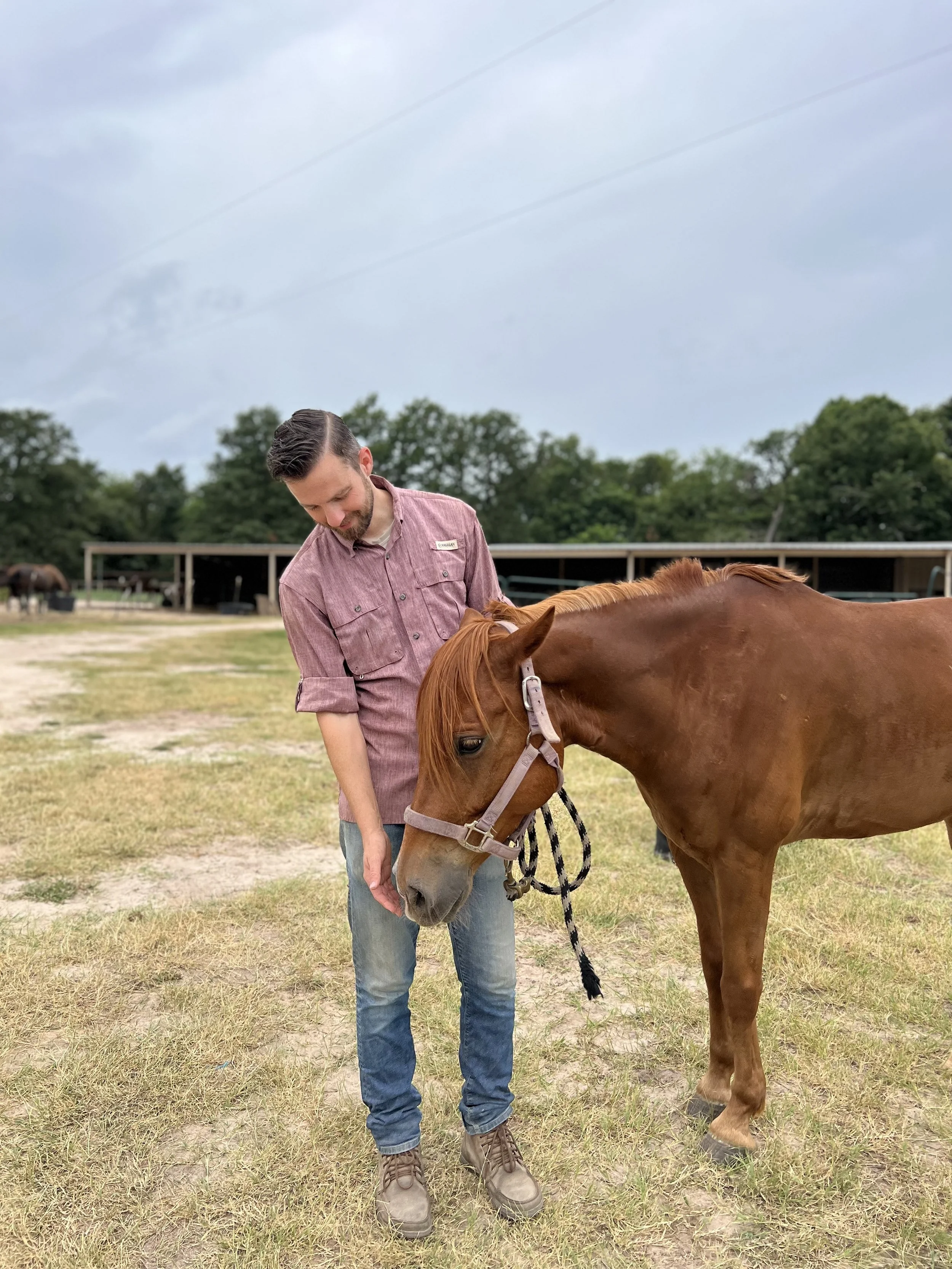
Why the Atlas Matters: How Correcting Poll Misalignment Can Help Your Horse Feel and Move Better
If your horse struggles with stiffness, resistance, uneven movement, or unexplained behavioral changes, the issue may not be where you expect. One small but incredibly important area that often gets overlooked is the atlas, the first vertebra at the top of your horse’s neck, right behind the ears.
Because of its location and role in the body, even a subtle misalignment in the atlas can affect your horse from head to hoof. When corrected by a qualified equine chiropractor, this adjustment can lead to meaningful improvements in comfort, movement, and overall well-being.
What Is the Atlas, and Why Is It So Important?
The atlas (also called C1) sits between the skull and the rest of the spine. It supports the head, protects the upper spinal cord, and allows your horse to nod, flex, and balance the head and neck.
This area is especially vulnerable to stress from:
Halter pressure and tying
Dental imbalances
Poll trauma or slips and falls
Saddle or rider asymmetry
Compensation from sore feet or limbs
Repetitive training patterns
When the atlas becomes restricted or misaligned, the body often compensates elsewhere — sometimes long before obvious symptoms appear.
How Atlas Misalignment Can Affect Your Horse
A misaligned atlas can contribute to:
Poll and neck stiffness
Difficulty bending evenly
Resistance to the bit or bridle
Head tilting, tossing, or bracing
Uneven muscle development
Shortened strides or stumbling
Tension through the back and shoulders
Because the atlas is so closely connected to the nervous system, discomfort here can also influence your horse’s attitude, focus, and stress levels.
What Happens When the Atlas Is Corrected?
When a trained equine chiropractor gently and precisely corrects the atlas, the goal is to restore normal motion and alignment so the body can function the way it was designed to.
Here’s what many owners notice afterward:
Improved Comfort and Relaxation
Horses often show immediate signs of relief, such as:
Lowering the head and neck
Softer eyes and facial expression
Reduced muscle tension around the poll and neck
With less guarding and discomfort, the horse can finally relax instead of constantly protecting the area.
Better Movement and Balance
The head and neck play a major role in balance and coordination. Once the atlas is moving correctly, many horses experience:
Smoother, more fluid gaits
Better shoulder freedom
Improved straightness
More consistent stride length
These changes can make a noticeable difference whether your horse is a performance athlete or a pleasure mount.
Improved Rideability and Connection
Atlas misalignment can make it difficult for a horse to accept contact comfortably. After correction, riders often report:
Lighter, more elastic contact
Easier flexion at the poll
Less resistance or head tossing
Improved responsiveness to aids
The horse may feel more “with you” rather than braced or disconnected.
Reduced Compensatory Tension Throughout the Body
When the atlas is out, the rest of the body often adapts in unhealthy ways. Correcting this misalignment can help:
Release tension through the neck, shoulders, and back
Reduce uneven muscle use
Take strain off the joints and soft tissues
Over time, this may help lower the risk of secondary soreness or injury.
Positive Behavioral and Attitude Changes
Chronic discomfort doesn’t just affect movement — it affects mood. After an atlas adjustment, many owners notice:
Improved willingness to work
Better focus and calmness
Reduced head shyness
Easier grooming and bridling
A more comfortable horse is often a happier, more cooperative partner.
A Whole-Horse Approach Matters
Atlas correction is most effective when combined with:
Proper hoof balance
Regular dental care
Well-fitting tack
Appropriate conditioning and turnout
It’s not a “quick fix,” but rather an important piece of the puzzle in supporting long-term soundness and comfort.
The atlas may be small, but its influence is powerful. When this area is functioning properly, your horse can move more freely, respond more willingly, and feel more comfortable in their body.
If your horse is showing signs of stiffness, resistance, or unexplained tension, an evaluation by a qualified equine chiropractor may be a valuable step toward helping them feel their best.
How Chiropractic Care Helps Reduce Inflammation in Performance Horses
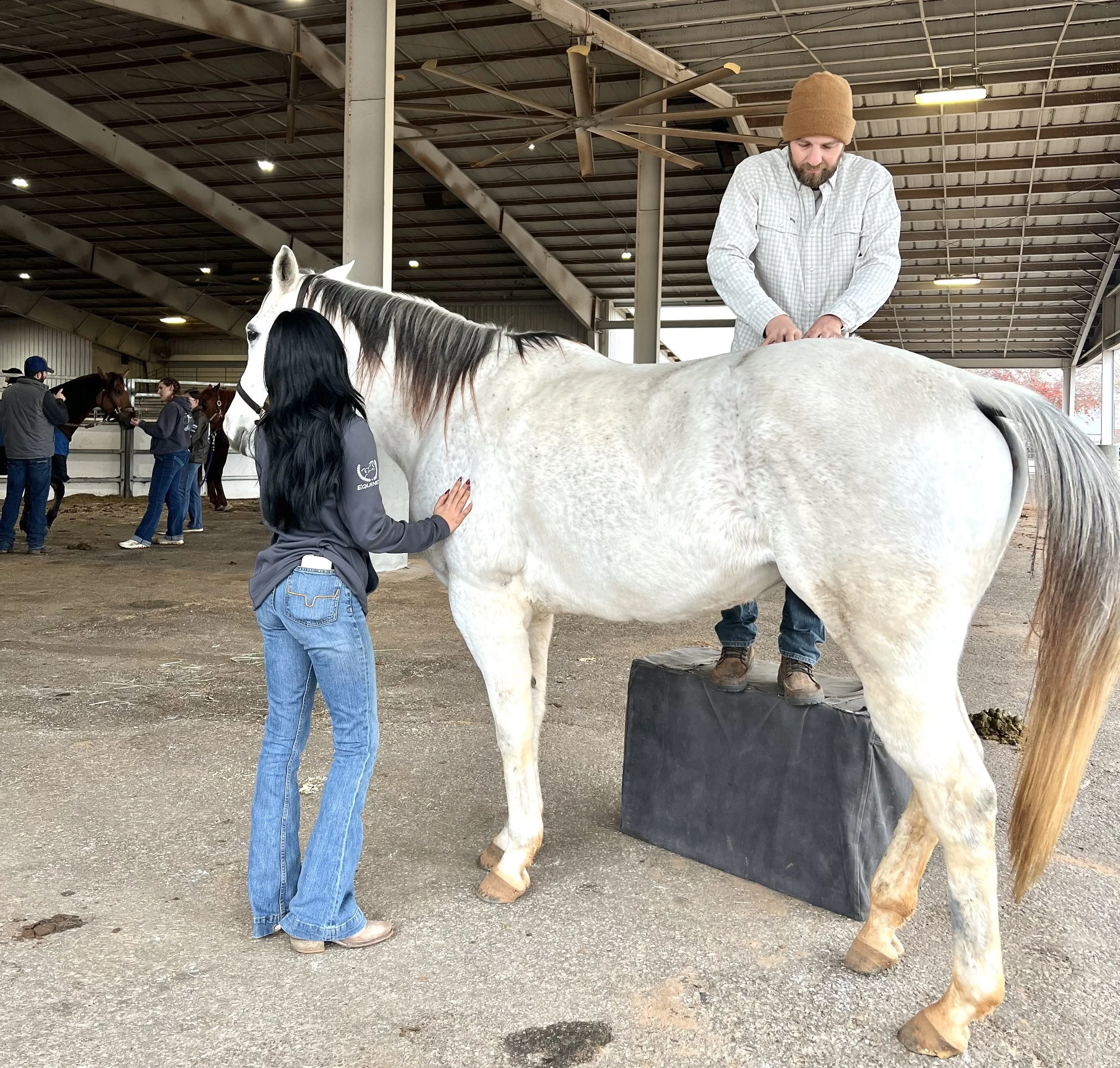
Inflammation is a natural part of the body’s healing process—but in performance horses, chronic or repeated inflammation can quietly limit movement, reduce comfort, and affect performance long before obvious lameness appears. For barrel horses and hunter-jumpers especially, the repetitive, high-impact demands of their jobs place stress on joints, soft tissues, and the nervous system.
Equine chiropractic care plays an important role in supporting the horse’s body by improving movement, nervous system communication, and joint function—key factors in reducing both localized and whole-body inflammation.
Understanding Inflammation in the Performance Horse
Inflammation often develops when joints or tissues aren’t moving optimally. This can happen due to:
Repetitive motion (tight turns, jumping efforts, landing forces)
Compensation patterns after minor injuries
Poor biomechanics or asymmetrical movement
Restricted joints in the spine or limbs
When joints lose normal motion, surrounding tissues experience increased stress. Over time, this can lead to swelling, soreness, decreased range of motion, and reduced performance.
The Spine, Nervous System, and Inflammation
The spine protects the nervous system, which controls every muscle, joint, and organ in the body. When spinal joints become restricted or misaligned, nerve signaling can be disrupted. This may contribute to:
Increased muscle tension
Poor coordination between muscle groups
Altered joint loading patterns
Reduced ability for tissues to heal efficiently
Chiropractic adjustments restore normal motion to restricted joints, allowing the nervous system to communicate more clearly with the rest of the body. Improved nerve function supports balanced movement and helps prevent the stress patterns that drive inflammation.
How Chiropractic Adjustments Reduce Joint Inflammation
Healthy joints depend on movement. When a joint moves properly:
Synovial fluid circulates to nourish cartilage
Waste products are cleared more efficiently
Surrounding muscles remain balanced and elastic
Chiropractic adjustments help restore proper joint motion, which:
Reduces abnormal pressure on joint surfaces
Improves fluid exchange within the joint
Decreases compensatory muscle tension that pulls on joints
By addressing restrictions early, chiropractic care can help limit the cycle of irritation that leads to chronic joint inflammation.
Whole-Body Effects: More Than Just the Spine
Although chiropractic care is often associated with the spine, its effects extend throughout the body. When movement improves in one area, the entire musculoskeletal system benefits.
For performance horses, this can mean:
More symmetrical stride length
Improved engagement of the hind end
Less strain on the shoulders, hips, and stifles
Reduced soft-tissue inflammation caused by overcompensation
Barrel horses often show benefits in faster, cleaner turns with less stress on the hocks and sacroiliac region. Hunter-jumpers may demonstrate improved bascule, smoother landings, and better consistency between fences.
Supporting Recovery and Long-Term Soundness
Chiropractic care does not replace veterinary diagnosis or treatment, but it works alongside proper conditioning, farriery, saddle fit, and training programs. When used proactively, adjustments can:
Support recovery between competitions
Help prevent minor restrictions from becoming major issues
Promote longevity in a demanding athletic career
A Proactive Approach to Performance Health
Inflammation doesn’t always show up as obvious lameness. Often, it first appears as subtle changes—resistance in training, uneven transitions, reduced flexibility, or a drop in performance. Regular chiropractic evaluations help identify and address these changes early, supporting your horse’s comfort, movement, and overall well-being.
For performance horses asked to give their best every run or every round, maintaining proper joint motion and nervous system function is a key part of keeping inflammation under control—and keeping them feeling and performing their best.

7 Ways to Help Your Baby Maintain Proper Cranial Motion
7 Ways to Help Your Baby Maintain Proper Cranial Motion
Many of us know that babies are born with soft spots where their skull is not fully bone yet. We also know that the skull becomes all bone, therefore the soft spots or fontanelles close at a certain point in childhood (the last one usually closes around 2 years old). Most of us, however, do not realize that the bones in our head move in a rhythmic motion from before we are born throughout our entire lives, regardless of whether our cranial sutures and fontanelles close. This motion is vital to not only brain and nervous system function, but it is vital for whole body function.
Origins of Cranial Adjusting/Craniosacral Therapy
In the late 1800s and early 1900s, Dr. William Sutherland, an osteopathic doctor, was the first to recognize the movement of the cranial bones and eventually uncovered a rhythmic fluid motion that encompassed the entire body. He called this rhythm the “primary respiratory mechanism”. This mechanism includes the rhythmic motion of the cranial bones, nervous system, and spine along with fluctuations in cerebrospinal fluid flow and shifting tension among dural membranes (connective tissue surrounding the brain and nervous system). These movements are all involuntary and completely separate from cardiac pulse and breathing. Dr. Sutherland believed that a skilled practitioner connecting with this primary respiratory mechanism could bring about a therapeutic effect and therefore enhance health.
Many other Doctors and Chiropractors came to understand the importance of cranial motion and developed their own techniques to ensure proper movement. Major Bertrand Dejarnette developed Sacro Occipital Technique. Dr George Goodheart developed Applied Kinesiology. One of the most well-known and heard of techniques is Craniosacral Technique developed by Dr. John Upledger. Over 50 years after Dr. Sutherland, Dr. Upledger discovered this same rhythmic motion in the dural connective tissue while he was performing surgery. He noticed there was movement of the nervous system and dura that was at a different rate than the respiration and cardiac pulse of the patient. He later performed many years of research that became the basis of Craniosacral Technique. This technique allows a practitioner to contact the sacrum as well as the cranial bones, and due to the dural attachment from the cranial bones through the spinal column to the sacrum, correct the primary respiratory mechanism. Both Dr. Sutherland and Dr. Upledger believed that this mechanism was a mechanism that could be used for self-healing, and that at the hands of a skilled practitioner one could see improvements in health.
More recent histological and anatomical examination of the cranial sutures have validated that they are not completely fused and in fact have intricate articulations that allow specific movements. The 106 articulations between the 22 cranial bones all are shaped and connected to allow for the rhythmic motion of the primary respiratory mechanism. This motion occurs 6-12 times per minute. Disruptions in this motion can affect the entire body and cause physical or emotional symptoms. Dural or fascial restrictions can affect cranial nerve function and stimulation. It can also affect cerebral spinal fluid flow and therefore impact the nutrient and water distribution to different areas of the brain, spinal cord and peripheral nerves. For example, dural tissue attached at the temporal bones is contiguous with fascia of the carotid sheath (this contains part of the vagus nerve), the fibrous pericardium (around the heart), and the respiratory diaphragm. Therefore, a restriction in the dural tissue at the temporal bone can affect vagal stimulation as well as cardiac and respiratory function.
A well-functioning primary respiratory mechanism allows for full cranial and dural movement, as well as proper cerebral spinal fluid fluctuation. With this mechanism working properly, there is no interference occurring in the nervous system and no areas of restriction that would hinder function in the body. However, many things can disrupt this primary respiratory mechanism and cause alterations in cranial motion and positioning. Adhesions and areas of restriction and congestion develop which can have a negative effect on the way the body functions. There are, however, things that you can do to allow for proper cranial motion in your own child.
7 Ways to Help Maintain Proper Motion
1) Cranial Adjustments
Baby’s cranial bones are very moldable and easily shaped. Often times, babies will be born with cranial bones that have molded quite a bit. This could be from the way they were resting in the uterus or because of the pressures placed upon the cranium during labor and delivery. Nursing can play a huge role in helping initially increasing cranial motion to help return the cranium to a symmetrical and round shape. However, most of the time a trained therapist is needed to ensure that all of the cranial bones are moving properly and there are no overlaps in the sutures or dural tightness and adhesions preventing motion. Chiropractors who are certified by the ICPA are proficient in cranial adjusting as well as therapists trained in Craniosacral Technique. There are many other techniques that can be affective in cranial manipulation such as Sacro Occipital Technique and Applied Kinesiology. Making sure that you find someone who has been trained in cranial adjusting and someone who is comfortable and confident in adjusting cranial bones is important.
Cranial adjusting, as mentioned above not only can bring proper symmetry, shape, and motion to the bones of the skull, but can affect whole body function and can have a positive effect on issues such as colic, digestive issues, reflux, sinus issues, ear infections, sleep issues, etc. Cranial manipulation can impact vagal stimulation and increase parasympathetic activity. This can decrease inflammation in the gut and improve digestive, respiratory, and cardiac function.
2) Breastfeeding
Breastfeeding is extremely good for many reasons. One of those reasons is that it can help proper development of the cranial bones and mandible. The sucking motion required for breastfeeding flattens the breast tissue up against the palate which helps shape and mold the roof of the mouth which is also the bottom of the sinus cavity. Breastfeeding allows for optimal shaping of the palate so it is smooth and rounded and not too high and narrow. High and narrow palates will cause the sinus cavity to become smaller and narrower. This can lead to future sinus issues. The sucking motion that presses the breast tissue into the palate helps to move the cranial bones and stimulate growth centers in the facial bones. Typically with breastfeeding the baby is held in different positions and he or she nurses on both breasts so the growth centers on each side of the cranial and facial bones are stimulated evenly. This sucking motion also aids in cerebral spinal fluid flow and helps to stimulate pituitary hormone release particularly growth factors.
3) Lip and Tongue Tie Release
It is seemingly becoming more and more prevalent these days to see a baby with a lip and/or tongue tie. A lip tie is present when the frenulum or connective tissue between the upper lip and gum is overdeveloped and restrictive to the movement of the upper lip. A tongue tie is present when the lingual frenulum or connective tissue between the bottom of the tongue and the lower jaw is overdeveloped and restrictive to the movement of the tongue. Lip and tongue ties are thought to be genetic and are midline defects that are associated with genetic abnormalities that impact the body’s ability to methylate, such as MTHFR. Lip and tongue ties can vary greatly in degree and effect on function. Lip and tongue ties restrict the function of the oral cavity. They affect the amount the jaw can open, the strength, movement and function of the tongue, and the movement, development and growth of the cranial bones. The restriction in the connective tissue extends deeper into the connective fascia that surrounds the cranium, jaw and can affect the tissue extending into the neck, shoulders, and even into the diaphragm, abdomen, hips and legs. Releasing the tongue and lip tie can have greatly relieving effect for a newborn. It is wise to have cranial adjustments, craniosacral therapy, or other fascial release technique performed after the tongue and lip tie release to ensure that all the connective tissue restrictions are released and full function is restored. The tongue tie and lip tie can be release through the use of scissors or through a cutting laser. It is recommended that each parent do their research in determining which method of treatment is available and most beneficial for their child. Release of these ties will help to encourage proper cranial and mandible development and growth. It will allow for proper growth center stimulation in the facial and cranial bones. It will also encourage full cranial rhythm and movement allowing for proper cranial and facial symmetry.
4) Babywearing
Wearing your baby in a carrier, sling or wrap is beneficial in numerous ways including supporting cranial shape and motion. Babywearing allows the child to be upright off the floor or out of a seat so there is no risk of developing a “flat spot” from lying in one position for prolonged periods of time. The upright posture also encourages suboccipital muscle development to aid in proper occipital alignment upon the atlas (first vertebrae in the neck). Babywearing also has been connected to extended breastfeeding. The suckling required for breastfeeding increases cranial movement and also stimulates growth centers among the facial bones allowing for full functional growth of the facial bones and mandible.
5) No Contraptions
Coinciding with babywearing, keeping babies out of contraptions like car seats, bouncy seats and swings will benefit the cranial bones and the primary respiratory mechanism. Contraptions like car seats limit the baby’s range of motion and confine the baby to typically lay in the same position with the same consistent pressure on the same area of the skull. It only takes less than 5 grams of pressure to move and influence cranial motion. So if a baby is laying in the same position with the same pressure for extended periods the cranial bones will mold to fit that pressure. This is typically how flat spots develop, and the skull should not have flat spots. Flat spots indicate that there is altered shape and motion to the different cranial bones. This affects the cerebral spinal fluid movement and can lead to adhesions in the dural tissue causing other symptoms. If flat spots do develop despite your best effort to not have them in a car seat or other contraption for long periods, then finding a practitioner who can perform craniosacral technique or other means of cranial adjusting is recommended.
6) No Headbands or Bows
Having two little girls myself, I know that a headband with a big bow or flower on it can look very cute. However, like I mentioned above, it takes less than 5 grams of pressure to influence the cranial bones shape and motion. So placing a tight headband that constricts the cranium will not only change the shape of the head but will decrease the movement of the cranial bones and negatively impact the primary respiratory mechanism. Many parents who have little girls who are bald for a long time will want to always have a headband on their baby since they can not clip on bows to her hair. This will always constrict motion of the cranial bones and work towards altering the shape of the cranium. Typically a headband will wrap around the occiput, temporal, sphenoid and frontal bones. Even slight alterations in the shape or motion of the occiput can cause misalignments in any other cranial bone. This again will cause adhesions in the dura and affect the nutrient saturation of the nervous system. One lesser evil that I encourage moms to do is to keep the headband or bow in your bag and only slip it on for pictures and then take it right back off. Look for red marks and signs of the bow on the head after you take it off. The more marks and redness you see left behind after the bow is off tells you there is more pressure being applied by the headband. Bows and headbands look cute, but have a huge impact on the shape and motion of the cranium.
7) Vary Sleeping Positions
Many times parents will place their baby in a crib, bassinet, or co-sleeper for naps and bedtime. These devices then stay in the same place and the baby is placed in the same position in them. This can cause the baby to develop a flat spot from continual pressure in one area. The baby will often develop a more comfortable sleeping position they prefer to obtain while in the crib or sleeper. Moving the crib around the room or placing the baby in the crib facing the opposite direction will help to vary the position the baby maintains during sleep. It will also give variability to what side the baby is approached from when he or she wakes up. Therefore the baby will not grow accustomed to turning one way to wait for mom or dad when he or she wakes up. Altering sleeping positions for the baby will give him or her varied stimulation and change the way pressure is placed on the head due to the direction he or she will look depending on the position of the crib or sleeper. Back sleeping has been supported by the American Pediatric Association to help prevent SIDS but this campaign has also contributed to flat spots due to back sleeping. Ensuring that there are varied sleeping positions and plenty of tummy time is vital to maintaining cranial symmetry and function if the parent chooses to encourage back sleeping.
Many things can contribute to proper cranial motion and function. These suggestions can help parents to take actionable steps towards improving their child’s health through properly functioning cranial movement and rhythm.

Understanding Lip and Tongue Ties
Understanding Lip and Tongue Ties
Knowledge of tongue and lip ties has become more and more mainstream these days. We are seeing the impact these have on breastfeeding, oral development, and speech. More practitioners are learning how to diagnose and treat these conditions. This article will be a very brief explanation of what tongue ties and lip ties are, how they can impact you or your child’s health, and how to treat these conditions.
What Is a Tongue or Lip Tie?
First, lets look at what tongue and lip ties are. A tongue tie is when the frenulum, or band of connective tissue that connects the tongue to the bottom of the mouth, causes restriction in the motion of the tongue. A lip tie is when the frenulum that connects the upper lip to the gums causes a restriction in the motion of the lip or causes structural change to the gums. There are also buccal ties that can occur too. These are less common but they form along the upper gum more towards the back teeth on either side. These connect the upper gum to the inner cheek. These tend to not cause the same amount of issues as the tongue and lip ties.
There are different grades to identify the type of lip and tongue tie. So lets start with the tongue tie classifications. There are four types of tongue ties and they are distinguished by where the tongue tie attaches to the tongue. They are not indicative of severity of the tie (type 4 is not worse than type 1). These numbers are based on Dr. Kotlow’s classification system for tongue ties. Pictures of these can be found at here.
– A Type 4 tongue tie is when the frenulum under the tongue attaches all the way to the tip of the tongue.
– A Type 3 tongue tie is when the frenulum attaches at the midline of the tongue.
– A Type 2 tongue tie is when the frenulum attaches to the tongue at a point posterior (behind) to the midline of the tongue.
– A Type 1 tongue tie is when only the posterior tissue is restrictive. This may not be observable without palpation of the tissue and may be hidden under the mucosal tissue beneath the tongue.
Now for the lip tie classification. Again, there are four classes of lip ties and they are distinct for the anatomical variations not based on severity.
– A Class 1 lip tie has no significant attachment to the gum line.
– A Class 2 lip tie attaches exclusively to the gingival (gum) tissue.
– A Class 3 lip tie attaches just in front of the anterior papilla (the edge of the gum tissue).
– A Class 4 lip tie attaches posterior to the papilla onto the hard palate.
Why Do People Have Lip or Tongue Ties?
So now that we know what we are looking at, lets look at why this occurs. During development the body grows as cells multiply and create different tissues. As these tissues grow and shape themselves, cells are produced and some cells are degraded, a process called apoptosis. This process requires different enzymes to have methyl groups (a carbon atom with three hydrogen atoms attached) attached to them so that the enzyme can be functional and do its job of degrading unnecessary tissue. This process runs smoothly for those with no methylation problems. However, more and more people today are expressing genetic anomalies such as MTHFR that disrupt the methylation process and make it harder for a person to add methyl groups to molecules to make them functional. So as a result more babies are being born with midline defects such as a lip and tongue tie. If you have an issue with methylating the best thing to do is start taking a Vitamin B complex that has methylated B vitamins (It should say folate as 5-methylfolate and Vitamin B12 as 5-methylcobalamine). You also want to eliminate any other supplement that has unmethylated B vitamins (these would say folate or folic acid and Vitamin B12). You also want to cut out any processed foods that are fortified with Folic Acid. Many breads and grain products will be fortified with an unmethylated form of Folic Acid.
What are Common Symptoms of a Lip or Tongue Tie?
Lip and tongue ties can be difficult to diagnose, but there are some common symptoms that occur when a lip or tongue tie is present. Babies can have difficulty nursing. This can manifest as a painful latch or pain while suckling, clicking, choking or gagging while nursing, especially upon milk letdown, inability to transfer milk effectively (this leads to more frequent nursing), shallow latch, or altogether an inability to latch. Babies may also have digestive symptoms such as reflux, gassiness, spitting up, or colic. As the mother you may experience pain while nursing, creased or flat nipples after nursing, dryness or cracks on the nipple due to too much friction while nursing, clogged milk ducts, mastitis, or low milk supply. While these are not symptoms exclusive to lip and tongue ties, they are very common symptoms that should influence you toward getting evaluated by a professional.
What Can be Done?
Once it is determined that your baby has a lip or tongue tie there are a few options to help resolve the issue. Non-invasive solutions include bodywork, myofascial therapy, chiropractic care, and craniosacral therapy. These focus on releasing the tight connective tissue, improving structural alignment, and increasing cranial and dural motion. This can be helpful in cases where the ties are not as severe and there are more mild symptoms. However, a more invasive treatment may be necessary. There are two different frenectomy procedures that are available that involve cutting the frenulum. One involves using scissors to cut the tissue. This procedure is typically done when there is an obvious anterior component to the tongue tie. Typically this procedure does not cut far enough back to eliminate any posterior components of the tongue tie. However, you may find a good pediatric dentist who will do a thorough procedure to release both anterior and posterior components. The other frenectomy procedure involves a cutting laser. A pediatric dentist trained in lip and tongue tie revision will use the laser to remove the excess tissue allowing for immediate increase in motion of the tongue and/or lip. After care requires stretches every few hours to prevent reattachment. Once the laser revision is performed it is ideal to have bodywork, craniosacral therapy or chiropractic care to help release and unwind any underlying restrictions that still remain. The ties are like the tip of the iceberg, there can be a lot of underlying restriction and tightness that is not obvious, but can continue to affect function. Results after the laser revision can vary quite a bit. Some mothers notice an immediate improvement and can feel like the revision completely corrected all the problems. However, there are times when there seems to be little to no immediate improvement. This is when bodywork and chiropractic care is especially necessary. The underlying tightness needs to be released in order to notice improvement and is necessary when attempting suck retraining exercises. If there are still restrictions within the cranium, jaw, neck, upper back and throat, then nursing and suck retraining exercises are going to be hindered. Suck retraining exercises can be given to you by your lactation consultant (the lactation consultants we used are referenced at the bottom of the article).
What Can Happen if Nothing is Done?
So what can happen if you decide to leave the tongue or lip tie alone and not pursue any revision or fascial therapy? There are many possibilities. One being that there may not be any obvious issues, adaptations, or symptoms later in life. However, with the abnormal structure present of a lip and/or tongue tie there will be adaptations necessary, obvious or not, and there is a likelihood that other symptoms would arise. Some common symptoms are speech difficulties, gapping in the teeth, early or worsened tooth decay, narrow maxillary and mandible (jaw) development causing sinus problems or TMJ issues, headaches, neck/upper back/shoulder pain and tightness, reflux, digestive issues, torticollis, plagiocephaly and possibly others. Speech issues can be an obvious sign if the child was not diagnosed with a tie earlier. Most children will have trouble with R, S, L, Z, D, N, T, Y, K, -NG, CH, TH, SH, and –dge although other sounds may be difficult as well. Having a tongue tie can lead to mouth breathing which can contribute to asthma, allergies, sleep apnea, snoring, and enlarged tonsils/adenoids. Ear infections may be more prominent in someone with a tongue tie because the back of the tongue can not elevate enough to equalize the pressure in the Eustachian tubes. This can lead to fluid build up that can not drain properly, allowing for an environment for the growth of a bacteria or virus. When children get older the swallow mechanics are altered due to the tongue tie and can affect drinking from a straw or how the child is able to swallow foods.
What Needs to Be Done After a Revision?
If you choose to have the lip and tongue ties revised with the cutting laser or scissors, there are several things to be aware of and to include in the care of your child. As mentioned earlier, there are varied degrees of improvement in symptoms with the frenectomy. Stretches for the tongue and lip should be shown to you at the time of the frenectomy and are typically done every few hours for the first 1-2 weeks and continued at a less frequent rate until the tissue is fully healed (about 1 month). Suck retraining exercises may be necessary to help strengthen the muscles necessary for a good latch and proper suckle. Bodywork, Craniosacral Therapy, and/or chiropractic care is very important regardless of the degree of tie and regardless of the type of symptoms you see. Very commonly, those with lip and tongue ties also have a tight dural tube. The dural tube is the connective tissue that surrounds the nervous system, the brain and spinal cord down to the sacrum. Unwinding the tightness in the dura and throughout the body will help your child feel more at ease and comfortable. Tummy time is another important addition to care after a frenectomy. Tongue and lip ties affect cranial nerve function, restrict normal range of motion and can diminish the baby’s ability to develop proper head control. Along with removing restrictions by utilizing chiropractic care and bodywork, having your baby build the muscles responsible for head control and movement helps to strengthen cranial nerve function and encourage proper development. Children and adults over the age of 2 may benefit from orofacial myofunctional therapy. An orofacial myofunctional therapist works to help strengthen the tongue and other facial muscles to help correct breathing, chewing and swallowing issues that may still be present after a lip or tongue tie revision.
It is important to remember that not every child is the same and there are so many variables that can impact the decision of how to care for your child’s lip and/or tongue tie. Not every tongue tie will need a frenectomy. Some children can reestablish proper function just through chiropractic care and bodywork. Other children may need a frenectomy to be able to reestablish proper function. Tongue ties and lip ties can be a complex and sometimes overwhelming issue to navigate. However, with the right team of care providers on your side it can become a lot more manageable; and you can rest assured you are doing everything you can to help you and your baby thrive together. Below are a few trusted providers that we have used and referred others to.
Holistic Dentist (Lip & Tongue Tie Preferred Provider)
Dr. Preetha Thomas, DMD, Enclave Dental – www.enclavedental.com
Dr. Ben Curtis,DDS - https://curtiskidsdentistry.com/
Lactation Consultant
For Babies Sake (Mellanie Sheppard and associates) – www.forbabiessake.com
Lactation Consultants of East Texas (Allyson Robertson and associates) - https://www.breastfeedetx.com/

Chiropractic Care for Torticollis
Chiropractic Care for Torticollis
Torticollis is a fairly common condition that babies, toddlers, even adults can get. This condition is characterized by tightening of the musculature of the neck to cause the head to rotate one direction and tilt slightly to the opposite direction. All children that present with this condition do not all present identical. In some children the head is very restricted in rotation and will only look one direction. In other children the head prefers one rotation but can more easily be rotated the other way. These variations have to do with the degree of spinal misalignment, cranial misalignment and muscular and fascial tension.
Standard medical treatment usually consists of simply stretching the muscles and forcing the head the opposite direction. While this can help to loosen some of the muscles in the neck, it is not an optimal treatment and can lead to a lot of distress for you and your child. Torticollis is not just tight muscles on one side of the neck. There are always spinal misalignments in the upper cervical spine along with altered cranial bone movement and fascial tightness. These things cannot be stretched away. A chiropractor needs to perform an adjustment to mobilize the upper cervical spine and do cranial adjusting and myofascial release to loosen the connective tissue and muscles while establishing proper cranial movement and position. Bodywork and fascial release is an important part of therapy that is not the same as stretching. The connective tissue in the body is not released by stretching. It is released by a light touch that helps to unwind the connective tissue to loosen it. Adults need the same care as well, if they develop torticollis. Stretching may help it feel better or a little looser for a little while, but the root of the problem is not being addressed.
Some children have this issue resolved in one or two visits to the chiropractor, some need more regular treatment to resolve all of the underlying issues. Oftentimes there are complicating issues such as a tongue and lip tie or plagiocephaly that will require a longer duration of care. Torticollis can lead to altered head shape or plagiocephaly, difficulty nursing, digestive issues, reflux, irritability, colic, etc. It is important to correct torticollis as soon as you realize that your baby is looking toward one side more often. The longer it goes on, the longer it may take to correct all of the additional issues that arise.
Torticollis is a serious condition that needs to be addressed. However, it is a condition that can easily be corrected if you visit a good pediatric chiropractor. Certified pediatric chiropractors look at the whole picture and address all the issues associated with the torticollis; the spinal misalignments, cranial misalignments, and muscular and fascial restrictions.

Now That Baby is Here:
Now That Baby is Here
Basics of Postpartum Care to Feel and Function Better
So now that your baby is here you probably feel like you can finally have your body back and start feeling fit and energetic again. Well, sometimes it is not that easy. For a lot of women, the next year can be a struggle. Not only figuring out how to care for another tiny human, but also in figuring out how to feel healthy again. This article will give you some advice to help you feel the way you want to feel, faster. Pregnancy, labor, and delivery can put your body through a lot of stress, physically, emotionally, and chemically. Now that you can hold your beautiful new baby, all of your attention is now focused on what he or she needs at every moment. However, some attention should be placed back on you and how you can heal and function your best in this fourth trimester.
Physical
Immediately after giving birth should be a time of rest and cuddles with baby. For the first few weeks after birth the wound from your placenta detaching is still healing (up to 4-6 weeks) and your organs are figuring out how to position themselves properly in your abdominal cavity again. Your body needs rest, hydration and nutrients for this to occur optimally. However, there are things you can do while you are allowing yourself to heal.
Chiropractic Care
Chiropractic adjustments are the best way to get your body back in balance and help improve function quickly. You still have the hormone relaxin in your system for about nine months to one-year postpartum. This hormone is what allowed your ligaments to loosen in preparation for birth so your pelvis and sacrum could open up during delivery. Therefore, your ligaments and joints are not as stable for about a year after giving birth. This makes it easier to become misaligned. These misalignments then interfere with your nervous system function so you are not able to function optimally. You may develop symptoms like pain, muscle tightness or weakness or a number of other things. Getting your body aligned with regular chiropractic adjustments will help your body to function better, and will prevent or relieve common pain in the neck, upper back, and shoulders that develops from nursing and carrying around a baby all day. Your muscles will also be able to engage properly so you can begin to rehabilitate your core and pelvic floor muscles.
Muscle Rehabilitation
Muscle imbalance and weakness after birth is present in all women. At some point during the third trimester of pregnancy all women develop some degree of diastasis recti. This is a separation in the abdominal tissue that weakens the core and causes pelvic floor dysfunction along with a number of other symptoms such as low back and pelvic pain and possibly digestive issues. I have a previous blog post just on diastasis recti if you would like more information on this (here). Exercise to heal your diastasis can begin as early as one to three weeks postpartum. I talk about some of these exercises in my previous blog post (active sitting, active standing, squats, bridge, etc). Healing your diastasis and reestablishing proper core function will help reestablish proper pelvic floor function as well. You can not have proper pelvic floor function without a properly functioning core. That is why it is so important to focus on only performing tummy safe activities to heal your diastasis quickly.
However, just healing your core may not be all you need for proper pelvic floor function. Often times scar tissue develops, especially if there was a tear during delivery. There could be damage to the musculature or nervous system so the musculature does not engage or activate the way that it should, which may result in prolapse or incontinence. Again, it is important to have your pelvis aligned by a chiropractic adjustment. During labor your pelvis opens and the ischium (your sit bones) separate and open up to allow for the baby to descend through the pelvis. Sometimes they do not come back together the way they should. This position can put an abnormal stretch on the pelvic floor muscles so that they have difficulty activating and maintaining proper tone. Once the pelvis is properly aligned, it is a good idea to see a female pelvic floor physical therapist. She can help release any scar tissue and relieve any tightness or muscle imbalance. She will also be able to work with you to reactivate all of your pelvic floor muscles and give you exercises to build back strength and proper function.
Nutritional
Just like during your pregnancy, the nutrition you provide your body is extremely important. Make sure that you are following your provider’s recommendation for supplements based on your specific needs. There are, however, general supplements that everyone should consider including in their regimen.
Collagen Peptides
Collagen Peptides are a good way to get a full spectrum of amino acids that will help heal tissue and support joints, muscles, skin, digestion. Collagen Peptides are a bit more convenient than gelatin because they can be mixed in to any drink at room temperature and does not require hot liquid like gelatin. Vital Proteins is a good brand that is now sold at Sprouts, Whole Foods and Natural Grocers.
Probiotics
Probiotics are important to help break down foods. Taking probiotics not only improves your digestive health but will help establish good digestive health for your baby. Probiotics help brain function, immune function and can help decrease inflammation. I recommend to my clients that they take a supplement with at least five different strains of bacteria and at least 15 billion active populations.
Digestive Enzymes
Along with this I also recommend a digestive enzymes supplement to help break down foods more completely which may help prevent your newborn form developing colic or gassiness. If you are not breaking down your food, those larger food molecules are then ending up in your milk supply and make it harder for your baby to digest.
Fish Oil (omega-3)
Your baby is also still forming most of his or her nervous system (80% is created in the first two years of life). So it is important that you take a fish oil or omega-3 supplement to provide enough good fats to promote optimal nervous system development. Fish oil will also help your brain and nervous system function as well as decreasing overall inflammation levels.
Emotional
Many women have difficulty emotionally after giving birth. Whether it is the baby blues or depression or anxiety, many women need support. It is important for you, your friends, and family to be able to spot signs that you need support or help. It can be hard while you are in a certain mental state to identify what is happening, but even just having enough awareness that something is not right can lead to you reaching out for the help that you need and deserve. There are professionals that can help such as a postpartum doula or a counselor or therapist that specializes in postpartum anxiety and depression. Medications are an available option that should not be looked down upon or judged. Sometimes those temporary solutions are necessary.
There are supplements and natural means to help improve postpartum anxiety or depression. GLA is a supplement that I have seen help in a lot of cases for anxiety and depression. Fish oil and probiotics have been shown to help as well. Essential oils can boost mood and help emotional health. Young Living has a wide range of essential oil blends such as Joy or Stress Away that help support emotional health. Frankincense is a single oil that works directly on the brain and can have an uplifting and calming effect. CBD oil has also been shown to improve symptoms of depression and anxiety. Exercise, sunlight, and fresh air also can have a big positive impact on mood and emotional health.
Newborns require a lot of attention and are completely dependent on you to provide for every need. However, it is vital to make sure that your physical, nutritional, and emotional needs are being met as well.

Anatomy and Care of an Ear Infection
Anatomy and Care of an Ear Infection
An ear infection is one of the most common childhood conditions. Many of those children who develop an ear infection typically end up developing many more subsequent infections. The mainstream medical treatment for an ear infection is a round of antibiotics. Unfortunately, when a child continues to develop ear infections, the treatment does not change. The only change comes in the strength of the antibiotic. It can be frustrating to put your child through one round of antibiotics after another in hopes that they will somehow stop developing ear infections. The good news is that there is another approach that can have amazing results without the use of medications. This article will explore the anatomy of an ear infection and how chiropractic can help end the cycle of infections and antibiotics.
Anatomy
Here is a picture that shows the outer ear, middle ear, and inner ear. The external auditory meatus, or ear canal is part of your outer ear. This is the canal where you develop ear wax. Ear wax is part of the immune system. It is a good thing. You will find more when your immune system is active and trying to protect the body. When the immune system fights off the threat and is less active then the wax is resorbed without any problems. Next, there is the tympanic membrane, or the eardrum. This is a thin membrane that vibrates when sound enters the ear. The vibration then causes three little bones in your middle ear to vibrate and transmit this vibration to the cochlear nerve so you hear sound. The middle ear also has the semicircular canals that are part of your vestibular system. These canals are filled with fluid and the shifting of this fluid helps you to sense where you are in space. Proper stimulation of these canals allows you to have good balance. While abnormal stimulation of the canals can lead to vertigo. The middle ear then drops into the eustachian tube. This cartilaginous tube opens to your pharynx, right behind your soft palate. The eustachian tubes help you equalize pressure within your ear so you can hear properly and the fluid in your semicircular canals can move and function properly. The outer ear and middle ear are mostly surrounded by bone and fascia. As you move further inward towards the inner ear and the eustachian tube there is more soft tissue and fascia as well as several muscles that attach to and surround the eustachian tube. There are four muscles that attach to the eustachian tube, but two are mostly responsible for opening the eustachian tube during swallowing. These muscles of the soft palate are the tensor veli palatini and the levator veli palatini. The former is innervated by cranial nerve 5 and the later cranial nerve 10, the vagus nerve.
Infection
Most ear infections that you are going to have are in the middle ear, behind the eardrum. You can see in the first picture that there is a little pocket behind the eardrum where fluid can build up and provide an environment for bacteria, virus or fungus to grow. (It is important to note that most ear infections have a viral and bacterial component.) Typically the middle ear does not have fluid in it. Any fluid would drain down the eustachian tube into the throat so there would not be any environment for an infection to occur. However sometimes the eustachian tube can not equalize pressure effectively and fluid builds up. This occurs more often in the early years of childhood because the eustachian tubes start out more horizontal as infants and become more vertical as you grow.
There are several things that can lead to this build up of fluid. One is a misalignment in the upper cervical spine. Misalignment causes inflammation in the joints of the spine as well as in the muscles and soft tissue that attach to the bones that are misaligned and not moving properly. This inflammation can press in on the eustachian tubes making it harder for them to drain fluid from the middle ear. Another cause can be a lack of proper motion in the cranial bones. Cranial bones surround the ear canal and eustachian tube. The cranial bones move in a rhythmic motion along with the soft tissue that attaches to them. If the cranial bones are not moving, the soft tissue and fascia attached to them lack motion. Therefore fluid is allowed to build up and not drain with the movement of the soft tissue. A more and more prevalent cause for the eustachian tube not being able to drain properly is a tongue tie. Tongue ties affect the soft tissue within the mouth and throat. Tongue ties affect the natural resting position of the tongue as well as the fascial tension within the mouth and throat. This altered tongue position and the increased tension in the soft tissue of the throat make it harder for the eustachian tubes to equalize pressure in the middle ear and drain any fluid that may develop there. Cranial nerve dysfunction that typically accompanies a tongue tie also causes soft palate dysfunction as well as dysfunction within the muscular function of the muscles of the pharynx and larynx which includes the muscles that attach to the eustachian tube.
Chiropractic Care
Chiropractic adjustments can help with all of these things. A spinal adjustment helps align the upper cervical spine and balance the musculature. Cranial work and myofascial release helps improve cranial motion and reduces soft tissue tension allowing for better drainage of the middle ear. Upper cervical adjustments and cranial adjustments also help to stimulate the vagus nerve and improve cranial nerve function so that the musculature of the pharynx, including those that attach to the eustachian tubes, as well as the soft palate can function properly and therefore help the eustachian tube to open, equalize pressure, and drain any fluid from the middle ear. Regular chiropractic adjustments allow the body to function optimally and prevent the development of fluid in the middle ear. Therefore preventing the environment for bacterial, viral, or fungal growth and infection.
Ruptured Eardrum and Tubes
Sometimes when the pressure produced by an infection in the middle ear is too much, the eardrum ruptures. This is ok. There is no cause for alarm. Typically your child will be crying and screaming about how much pain they are in, then all of a sudden they feel fine. This is usually an indication that the eardrum has ruptured. You can look and see if there is fluid or pus coming out of the ear. This is normal. Don’t put anything into the ear, you want to avoid anything that may lead to further infection. Usually I recommend essential oils around the ear or a cotton ball with essential oils placed or taped right on the outside of the ear canal. Usually if the eardrum has ruptured the fluid is not draining down the eustachian tube properly so avoid liquids or oils in the ear. It usually takes a few weeks to fully heal, but when it does you will not even notice that it happened. There is usually not even a scar on the eardrum.
Ear tubes are typically the last resort of typical medical treatment for recurrent ear infections. A small slit is put in the eardrum where a plastic tube is placed. The eardrum then heals around the tube. This allows for air to flow from the outer ear to the middle ear. This allows for better equalization of pressure as well as a possible route for fluid to flow out if it begins to build up. However, unlike the eustachian tube which slants downward to allow gravity to pull fluid down from the middle ear, the outer ear is higher than the middle ear and fluid would have to flow upward to drain out of the middle ear. Therefore, if the eustachian tubes are still blocked or not draining, fluid can still pool in the middle ear and provide the environment for infection. Tubes are also foreign plastic to the body. This means that eventually the body will reject the tubes and they will fall out. Typically tubes last only a few years at best before the body pushes them back out. Therefore, even with tubes, chiropractic care is still necessary to allow for proper function of the eustachian tube, pharynx and all the surrounding soft tissue, connective tissue and bone.

What is Webster Technique?
What is Webster Technique
The Webster technique was developed by Dr. Larry Webster, founder of the International Chiropractic Pediatric Association (ICPA). Many people think this is a technique used to flip breech babies to a head down presentation. However, this technique does not focus itself on flipping babies. The Webster technique was developed to help women have an easier time during labor and delivery. The technique is centered around balancing the pelvis and uterus by aligning the sacrum and releasing any tightness in the round ligaments of the uterus. The basic biomechanics is that as the sacrum rotates back on one side, the uterus is pulled slightly to that side. So in order to center and stabilize the uterus, the opposite side round ligament tightens in response. This causes pulling and slight twisting of the uterus. From this the baby can then experience in-utero constraint because there is less space for the baby to move and feel comfortable. This may even lead to a baby choosing to turn breech in order to get more comfortable.
The Webster technique focuses on balancing the sacrum and round ligament to optimize the space in the uterus so the baby will choose an optimal head down position. This technique becomes more necessary after 30-34 weeks in order to make sure that the pelvis is balanced, and the baby is in the best position for labor and delivery. However, it is a useful technique throughout pregnancy to alleviate discomfort and optimize fetal development by eliminating any in-utero constraint.
A good prenatal chiropractor will also check more than just the sacrum and round ligaments. When I adjust pregnant clients I make sure to release any tightness in the hip flexors as well as the muscles in the glutes, hips and low back. I also make sure to align the whole spine including the low back and pubic bones. Evidence based research shows that Chiropractic adjustments help reduce pain during pregnancy as well as pain during labor and delivery and shortens time of labor.
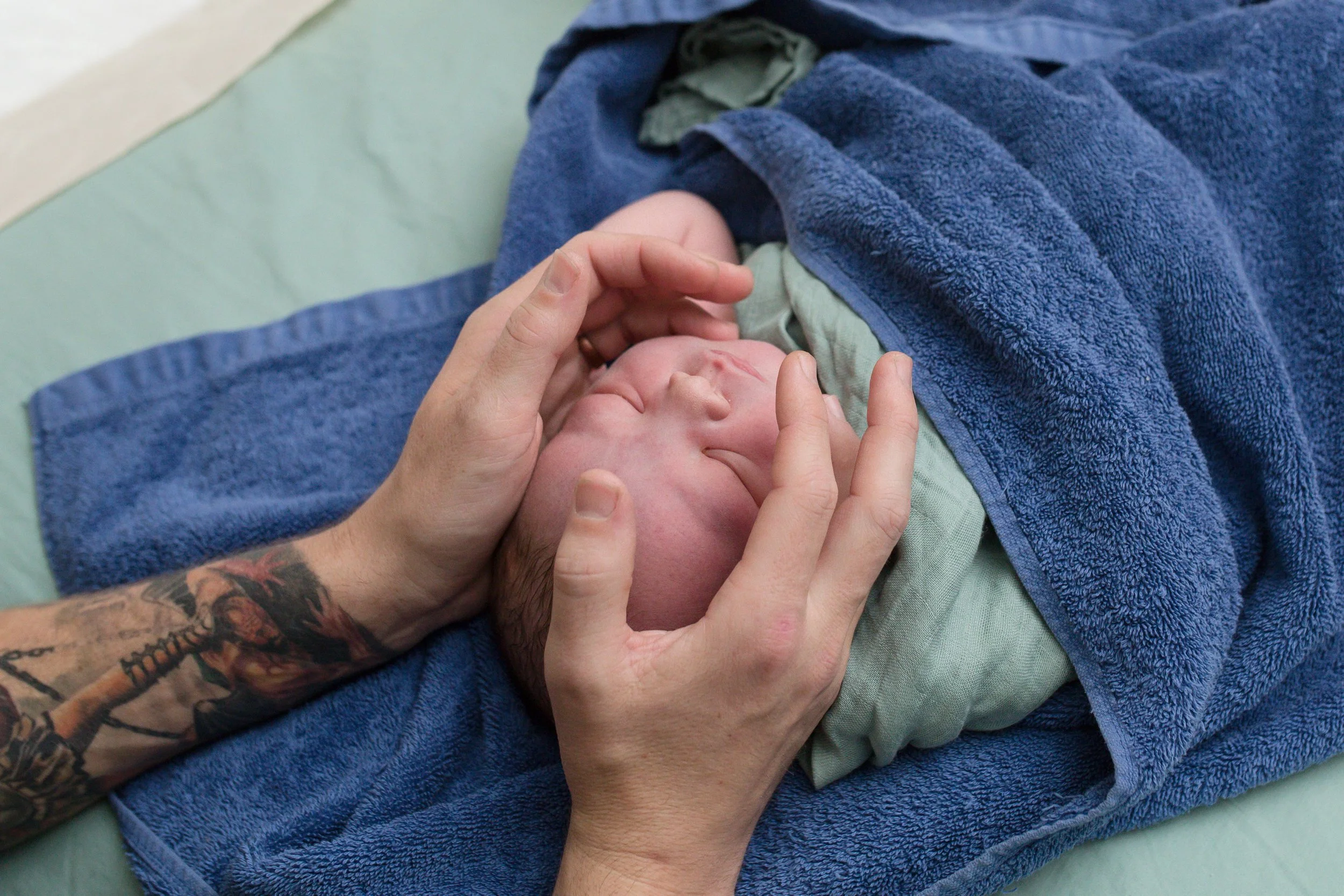
How Chiropractic Care Helps Improve Breastfeeding
How Chiropractic Care Helps Improve Breastfeeding
You have probably heard that Chiropractic care can help with breastfeeding issues. However, you probably have not been told how specifically this can help. There are a wide variety of things that can impact how well a baby is able to breastfeed. Cranial alignment, spinal alignment, TMJ (temporomandibular joint) alignment, fascial restriction, dural restriction, tongue tie, lip tie, cranial nerve function, etc. There are clearly more things that can impact breastfeeding, but these are the major ones in which chiropractors can help. This article will go over each of these aspects and explain how and why they can affect nursing.
Spinal Alignment
Let’s start with spinal alignment. It was found in a study many years ago that up to 95 percent of babies born had some degree of upper cervical misalignment. The Upper cervical consists of the C1 or atlas and the C2 or axis vertebrae. The occiput sits right on the Atlas and closely affects upper cervical alignment as well. Babies go through a traumatic experience being born and most develop some type of misalignment. This upper cervical alignment is very important for several reasons. One is that this is the area of the brain stem. The brain stem is home to many of the vital centers of breathing heart rate blood pressure as well as the origin of many of the cranial nerves that innervate the head, neck, tongue and throat. If there is a misalignment in the upper cervical spine around these areas, then it can lead to inflammation that affects the brain stem function and the cranial nerve function. Altered cranial nerve function can cause an abnormal suck/swallow/breath pattern or affect how the tongue and jaw move to latch and suckle. Upper cervical misalignment can also lead to tight musculature and fascia in the upper neck. This can cause the baby not to be able to open their mouth as wide or hold a latch through the whole suck swallow breath rhythm.
Cranial Alignment
Cranial alignment and movement is very important as well. Proper occipital movement on the atlas allows for the baby to be able to tip and rotate his head optimally to find the nipple and latch. Proper temporal bone motion affects the range of motion of the jaw. The Jaw attaches into the temporal bone so if the temporal bone is not moving the way it is supposed to or it is stuck in an abnormal position it affects how the mandible is able to move in the TMJ and it may get stuck or tight while trying to open in order to latch. Altered temporal motion or positioning can lead to tight fascia or muscles that cross the TMJ. This again can pull the mandible to one side or pull the mandible into the joint too much so it can’t rotate and pivot the way it needs to in order to open fully. Altered maxillary shape and movement can affect how well the baby is able to latch or maintain a latch. The bottom of the maxilla forms the hard palate. If the palate is too high or too flat, it can make it harder for the baby to maintain a proper seal when trying to latch and suckle. The Maxilla should be a smooth semicircle from one side of the gum line to the other. Often times one side will be flat or there will be a ridge or a peak in the center of the palate which will all indicate that the maxilla is not shaped properly or moving properly.
Connective Tissue
One aspect that will affect all the cranial bones as well as whole body movement and flexibility is the dural tightness. The dura is the connective tissue that attaches from the surface of the nervous system to the surface of the skull, sacrum, and vertebrae. Most times tightness in this system is associated with the findings of a tongue and lip tie. This tightness will present as a very stiff baby. He won’t want to flex forward or droop his head toward his chest. He often is stiff and straight through the mid and upper back and down through the sacrum. He often times has shrugged shoulders and can have a tendency to arch his back often. If a child is stiff and inflexible, this is going to make it more difficult for them to relax their jaw and open wide enough for a proper deep latch. If a baby is tight and stiff and anxious trying to nurse, then typically it makes the experience quite a bit harder. Babies who are stiff like this also usually have fascial restrictions through their neck, upper back, shoulders, often down through their sacrum and hips. Again, a baby who is tight and ridged is not going to move comfortably to get in an optimal position to open their mouth wide and achieve a proper latch and suck swallow pattern.
Lip and Tongue Tie
One of the biggest issues that is more and more prevalent today is newborns with a lip and tongue tie. I have done a whole blog post on just this topic if you want more information (here). But here is some basics. With a tongue tie there is extra tissue or tighter tissue underneath the tongue that is restricting the upward motion of the tongue. It affects other movements as well but mainly the upward motion of the back of the tongue. This means that they can’t bring the back of the tongue up to form a seal on the breast. This leads to the baby needing to alter his tongue movement to try to transfer milk. This altered movement is linked with altered throat movement during swallowing, so the suck swallow breath pattern is altered. This can lead to babies clicking while nursing, scraping the nipple with their tongue, swallowing air leading to reflux and colic. Tongue ties also cause restriction in the connective tissue throughout the jaw, throat and neck which affects how they open, latch, suck, swallow, etc.
Lip ties are additional tight tissue that connects the lip to the upper gum line. This will affect maxillary movement and shape as well as affecting how wide the baby can open his mouth to latch. Often you will notice you have to flip his upper lip up or there will be a blister that starts to form at the middle of his lip.
Chiropractic Care
All of these issues can be helped by a chiropractor. Chiropractors can help align the upper cervical spine and cranial bones. A chiropractor proficient in craniosacral therapy can help stretch the dural tissue and establish proper cranial movement. Chiropractors that utilize CST usually know how to do myofascial release or bodywork to help loosen the tissue restrictions throughout the head, neck, jaw, throat, shoulders, upper back, rib cage, sacrum, and hips. They can also release and loosen the tight tissue of a tongue and lip tie to help improve tongue movement. Chiropractors can also align the TMJ itself and make sure that the surrounding soft tissue and muscles are released and relaxed so that the baby can open his mouth wide and have a better latch. Chiropractic care is essential to help babies have optimal spinal, cranial, TMJ and whole-body motion. Chiropractic care allows the baby to be as relaxed and loose as possible to be able to move his head, neck and tongue as freely as possible to achieve a proper latch and breastfeed effectively.

Chiropractic Care for Newborns and Children
Chiropractic Care for Newborns and Children
Children develop 65% of their nervous system within the first year of life and 80% by the time they are two years old.
A very common question I receive fairly often is “Can chiropractic help my child with this?” My response is typically yes – chiropractic care can likely help with a number of childhood concerns. More and more parents are asking about chiropractic care for their children, as they hear anecdotal stories and read research of how chiropractic care helps with the symptoms of colic, reflux, allergies, ear infections, etc. As I talk with parents about how adjustments help common concerns, many parents are still surprised to hear the many benefits of chiropractic care for newborns and wellness care for children. I’ve found that a quick explanation of how chiropractic works helps families understand why regular adjustments are important for developing children and for taking a wellness approach to the family’s health.
Chiropractors are doctors that work to optimize the health and function of the nervous system. They achieve this by performing an adjustment to restore motion and balance to the spine, which frees the nervous system from interference. “Interference” is what we call it when nerves restricted or otherwise negatively affected by misalignment or subluxation – this disrupts the signal the body receives and sends via those nerves. When the nervous system is free of interference then many of the symptoms of disease dissipate because the body is able to heal itself and function properly. The adjustment delivered by the chiropractor can come in many forms. There are many techniques that can be utilized to restore optimal health to the nervous system. Many chiropractors will cater to each patient in order to give them the type of adjustment that will best suit them and help achieve optimal function. This is true in the case of adjusting children, infants and newborns. The same force that a chiropractor may utilize to adjust an adult patient is not the same force they will use to adjust your newborn baby. Chiropractors trained through the ICPA (International Chiropractic Pediatric Association) have been trained on how to properly and safely adjust a newborn, infant and older child. Chiropractors normally will use just the tip of their finger to place light pressure on the vertebrae of a newborn (typically as little pressure as you can place on your eye comfortably). These 6-8 ounces of pressure is enough to realign an infant’s spine and restore optimal nervous system health. There is never any rotating or twisting of the baby’s neck or back. It is a very gentle and safe process. There have been studies performed that have proven the safety of chiropractic care for children. The most recent published study stated the following in the discussion:
“Of 1161 clinical cases presenting the gamut of both non-musculoskeletal and musculoskeletal complaints, less than one percent reported minor adverse events spanning 10, 249 office visits. Sixty-six percent reported improvements in their presenting complaints while another 8% reported improvements unrelated to their presenting complaints.”1
But why would a newborn need chiropractic care? Well, just like any other person, newborns and children experience a variety of stress on their bodies and nervous system. Initially, babies can experience physical stress in utero from obtaining a less than optimal position (transverse, breech, asynclitic, ect.). They also experience the pressure and force of contractions and the trauma of the birth process. Many babies have their head pulled during a Cesarean section or a vacuum or forceps extraction. But even a completely natural birth with no interventions is a very stressful event for an infant with an immature nervous system. One study by G. Gutmann stated that 80 % of newborns, out of one thousand examined, had nervous system dysfunction. Another by V. Fryman, which examined 1,250 five-day-old babies, showed that 95% had misalignments in their neck. Children develop 65% of their nervous system within the first year of life and 80% by the time they are two years old. It is important to have a newborn checked by a chiropractor to ensure that their nervous system is free of interference and can develop and grow in an optimal state. When the nervous system is functioning optimally, children are able to focus and learn better, digest and absorb nutrients from food better, and they spend less time expressing illness because of a fully functioning immune system. The nervous system controls the function of every cell, tissue and organ in the body. Therefore, if a child has interference that is not detected and corrected by a chiropractor, they may develop symptoms later in childhood such as colic, reflux, allergies, ear infections, fussiness during tummy time, breastfeeding difficulties, sleeping difficulties, and many others.
As children grow and get older it is a good idea to have them checked at milestones or after any experienced trauma or accident. When a baby learns to sit up, crawl and walk, there are different stresses place on the spine, which could lead interference to develop in the nervous system. Many children have falls on the playground or are in the car during a motor vehicle accident and should be checked to make sure that they are functioning properly and their nervous system is working optimally. Children today are eating a lot more processed foods that lack nutrition. This exposure to the different chemicals in their food can lead to imbalance in the body and interference in the nervous system. Chiropractors can help remove the imbalance in the body and also guide parents to help them make healthier decisions for their children. Many Chiropractors who work with children and families are more holistically inclined and can help improve the overall health of the family children. Families that are visiting the chiropractor regularly benefit from his or her expertise in wellness – chiropractors take numerous courses in nutrition and healthy living.
The immediate result of chiropractic is to remove interference to the nervous system through use of the chiropractic adjustment and allow the body to function better, but the long-term effects and goal is to help adults, children and families live healthier, happier lives.
1) Alcantara, Joel BSc, DC, Kunz, Derek BS Ohm, Jeanne, DC. (2009, September). The Safety and Effectiveness of Pediatric Chiropractic: A Survey of Chiropractors and Parents in a Practice-Based Research Network Explore: The Journal of Science and Healing.http://www.explorejournal.com/article/S1550-8307(09)00207-9/fulltext
2) Siddle, Belinda D.C. (2008, June). Chiropractic Care for Children. Pathways to Family Wellness. c
3) (2009, Winter). Adjusting to a New Life. Pathways to Family Wellness.http:/

Holistic Living and Chiropractic
Holistic Living and Chiropractic
Dodge Family and Animal Chiropractic is excited to launch our new blog, ‘Holistic Living with Dr. Dodge’! People often misunderstand chiropractic to be all about “cracking bones.” At Dodge Family and Animal Chiropractic (Coppell and Tyler, TX) we take a holistic approach to wellness, rather than a “rack ‘em and crack ‘em” approach to treating the spine. One of our goals at Dodge Family and Animal Chiropractic is to bring you more than the chiropractic adjustment, to help you become truly “well.” Our blog is a great way to do that!
We believe that the path to wellness is reliant on a balance between the physical, chemical, mental, and spiritual components of the person. When one of these areas is weak, neglected, or injured, a person’s overall well being will suffer. Similarly, if one aspect is affected negatively, other aspects are likely to suffer as well. Through ‘Holistic Living with Dr. Dodge,” we will bring you research, videos, news, recipes, and other media that aims to help you strengthen the physical, chemical, and mental aspects of your well being. Our hope is that here you will find inspiration, information, and motivation to build a more holistic life for yourself and your family.