
The Benefits of Chiropractic Care for Performance Horses
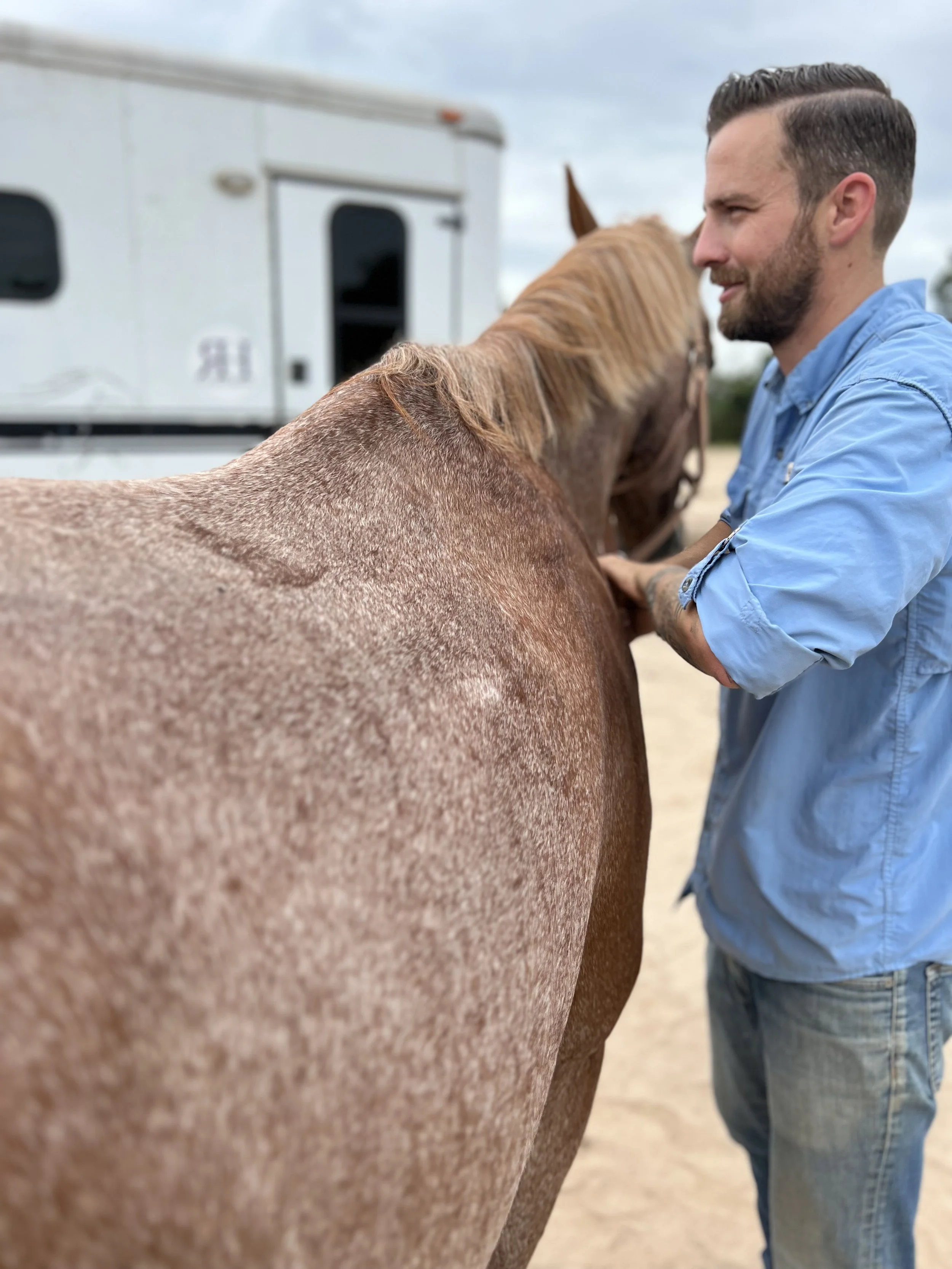
The Benefits of Chiropractic Care for Performance Horses
Performance horses place extraordinary demands on their bodies. Whether competing in dressage, jumping, racing, reining, eventing, or other disciplines, these athletes rely on precise coordination between the nervous system, joints, muscles, and connective tissues. Chiropractic care is one supportive therapy that aims to optimize this coordination by restoring normal motion to restricted joints—particularly along the spine.
When performed by a qualified equine chiropractor, chiropractic care can play a valuable role in supporting comfort, performance, and long-term soundness.
1. Improved Joint Mobility and Range of Motion
Restricted joint motion (often called joint dysfunction or restriction) can occur due to repetitive loading, trauma, asymmetrical movement, or compensation for pain elsewhere in the body.
Chiropractic care helps by:
Restoring normal motion to affected joints
Reducing stiffness in the spine, neck, and pelvis
Allowing joints to move through their intended range
Why this matters for performance:
Improved joint mobility allows the horse to move more freely, achieve better extension and flexion, and perform athletic movements with less physical resistance.
2. Enhanced Nervous System Function
The spine houses and protects the spinal cord, which carries signals between the brain and the rest of the body. Restricted spinal motion can alter how effectively these signals are transmitted.
Evidence-based principles show that:
Joint dysfunction can affect sensory input to the nervous system
Altered nerve signaling may change muscle tone, coordination, and reflexes
Restoring motion improves proprioceptive feedback (body awareness)
For performance horses:
Improved neurological communication supports better coordination, balance, timing, and responsiveness to rider cues.
3. Improved Muscle Function and Reduced Tension
When joints are restricted, surrounding muscles often become tight or overactive in an attempt to stabilize the area. Over time, this can lead to chronic muscle tension, fatigue, and soreness.
Chiropractic adjustments can:
Reduce protective muscle guarding
Normalize muscle tone
Improve symmetry in muscle activation
Result:
Muscles are able to contract and relax more efficiently, improving strength, endurance, and fluidity of movement.
4. Improved Gait Quality and Movement Symmetry
Subtle asymmetries are common in performance horses and may not always rise to the level of overt lameness. However, even small imbalances can reduce efficiency and increase injury risk.
Following chiropractic care, many horses show:
Smoother, more consistent strides
Improved straightness
Better coordination between front and hind limbs
Reduced interference or stumbling
Why this matters:
Efficient, symmetrical movement allows horses to perform demanding tasks with less physical strain.
5. Enhanced Performance and Athletic Efficiency
When joints move properly and muscles function optimally, the horse expends less energy compensating for restrictions.
Benefits include:
Improved impulsion and engagement
Greater ease with collection or extension
Increased stamina during training or competition
More consistent performance over time
Rather than forcing movement through restriction, chiropractic care supports the body’s natural biomechanics.
6. Reduced Risk of Compensatory Injuries
Unresolved joint restrictions can lead to compensatory movement patterns, placing abnormal stress on tendons, ligaments, joints, and muscles elsewhere in the body.
Regular chiropractic care may help:
Identify and address dysfunction early
Reduce uneven loading patterns
Support healthier movement mechanics
This can be particularly valuable for horses in intense or repetitive training programs.
7. Improved Comfort and Willingness to Work
Pain or discomfort often manifests as resistance rather than obvious lameness.
Performance horses experiencing spinal restriction may show:
Resistance to contact or collection
Difficulty bending or turning
Behavioral changes such as irritability or tension
Declining performance without a clear cause
After chiropractic care, many owners report:
Increased willingness under saddle
Improved attitude toward work
Better focus and relaxation
Comfort plays a significant role in both performance and trainability.
8. Support for Recovery and Rehabilitation
Chiropractic care is often used as part of a rehabilitation or maintenance program following injury, rest periods, or changes in workload.
Benefits during recovery include:
Supporting normal movement patterns as the horse returns to work
Reducing compensatory tension during healing
Enhancing coordination and proprioception
This makes chiropractic care a useful complement to veterinary treatment, physiotherapy, and conditioning programs.
9. Discipline-Specific Benefits
Different disciplines place unique stresses on the horse’s body:
Dressage: Improved collection, straightness, and suppleness
Jumping/Eventing: Better bascule, balance, and landing mechanics
Racing: Enhanced stride efficiency and symmetry
Western disciplines: Improved turning, stopping, and lateral maneuvers
Chiropractic care can be tailored to address the demands of each sport.
10. Part of a Whole-Horse Performance Program
Chiropractic care is most effective when integrated with:
Proper hoof balance and farriery
Regular dental care
Correct saddle and tack fit
Appropriate conditioning and rest
Veterinary care
It is not a replacement for veterinary diagnosis, but rather a complementary therapy that supports optimal function.
Performance horses are athletes, and like all athletes, they perform best when their bodies move freely and efficiently. Chiropractic care helps restore normal joint motion, supports healthy nervous system function, and reduces the physical strain caused by restriction and compensation.
When provided by a properly trained professional and used as part of a comprehensive care plan, chiropractic care can be a valuable tool in supporting performance, comfort, and longevity in the equine athlete.